
Understanding its significance in the energy industry
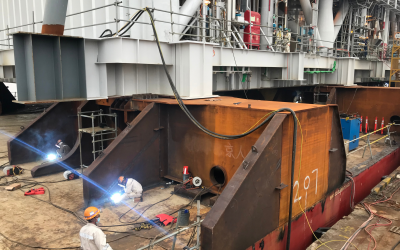
The term offshore is commonly used in the energy industry, particularly in the context of oil, gas, and renewable energy projects. What does offshore mean ? Understanding its meaning is crucial for grasping the complexities and opportunities within this sector. Irsale Energy Solutions, with its extensive experience in offshore engineering, provides insight into the significance and implications of these operations.
Defining Offshore
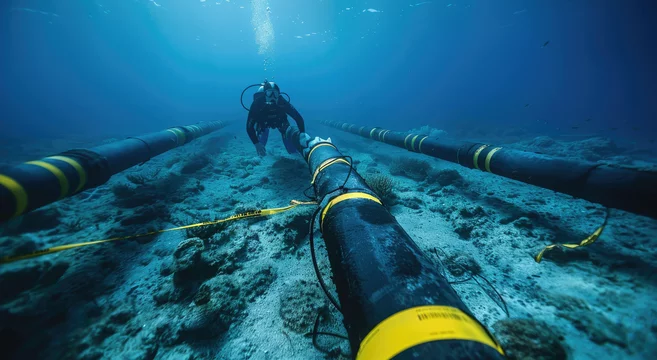
So, what does offshore mean? In the simplest terms, it refers to activities that take place away from the shore, typically in the ocean or sea. This can include a variety of operations, such as drilling for oil and gas, installing wind turbines, and laying underwater cables. These activities are characterized by their location, which is typically several miles away from land, in deep waters.
Offshore in the Oil and Gas Industry
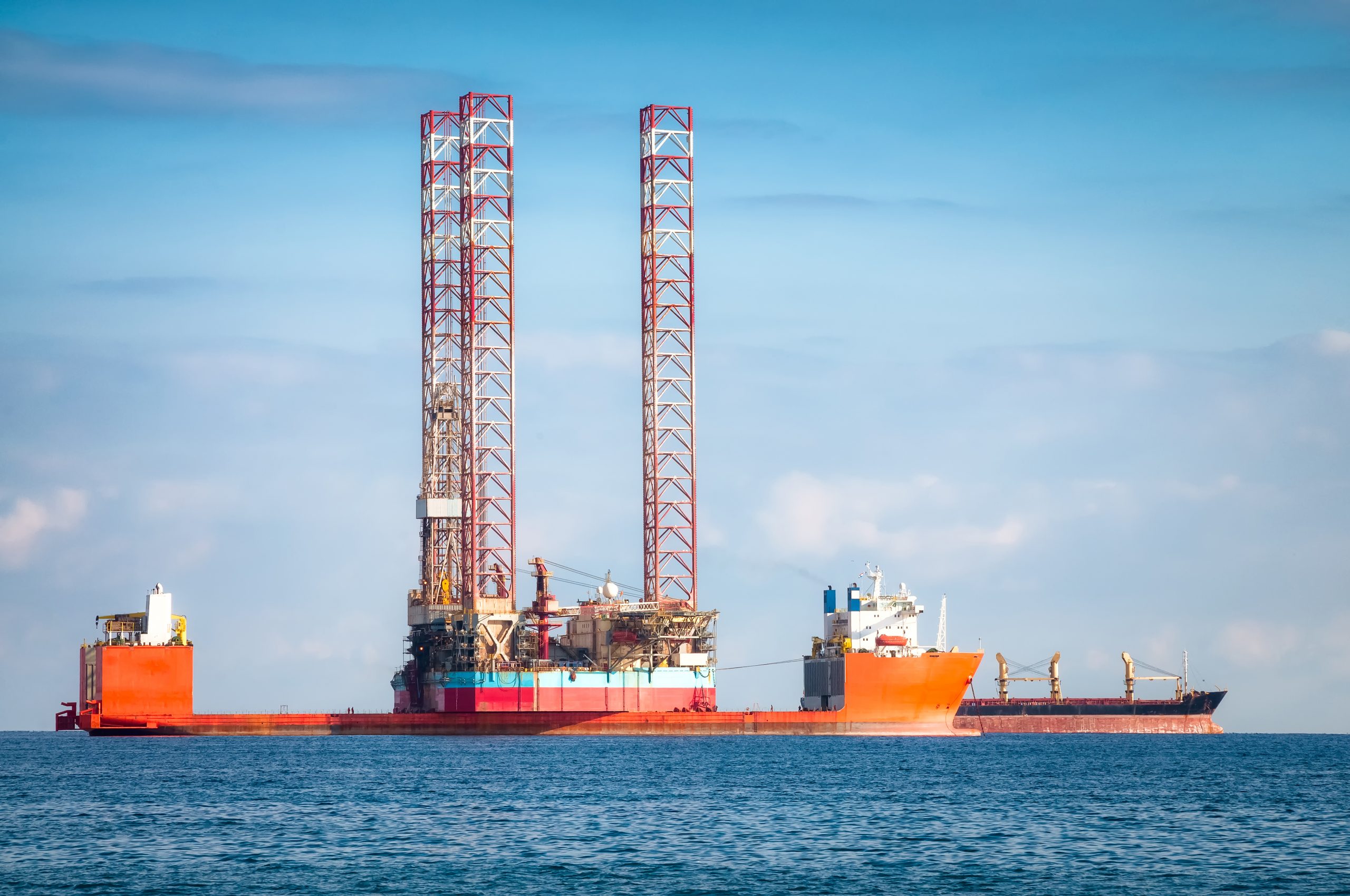
In the oil and gas industry, offshore means extracting resources from beneath the seabed. Drilling rigs and platforms are constructed to tap into underwater oil and gas reserves. These structures are engineered to withstand harsh marine environments and are equipped with advanced technology to ensure efficient extraction. Drilling has enabled access to vast reserves of oil and gas that are not reachable from land, significantly contributing to global energy supplies.
Offshore Renewable Energy
Offshore also plays a critical role in the renewable energy sector. Wind farms, for example, are established in bodies of water where wind speeds are higher and more consistent than on land. This leads to more efficient energy production. Wind turbines are anchored to the seabed and can generate large amounts of electricity, contributing to the shift towards sustainable energy sources. Irsale Energy Solutions is actively involved in developing these renewable projects, showcasing our commitment to sustainable energy.
Challenges and Advantages
Offshore operations come with unique challenges and advantages. One of the primary challenges is the harsh and unpredictable marine environment. Weather conditions, waves, and water currents can pose significant risks to structures and personnel. Additionally, the logistical complexities of transporting materials and workers to and from sites add to the operational challenges.
However, the advantages of offshore operations are substantial. Drilling and wind farms can access resources and conditions not available on land. For example, oil fields can be much larger than onshore fields, providing more significant extraction opportunities. Similarly, wind farms benefit from stronger and more reliable winds, leading to higher energy output. The ability to tap into these resources is crucial for meeting global energy demands.
Irsale Energy Solutions: Expertise in Offshore Projects
Irsale Energy Solutions has over a decade of experience in offshore engineering. Our expertise encompasses both oil and gas extraction and renewable energy projects. We are committed to delivering high-quality solutions that meet our clients’ needs while adhering to the highest safety and environmental standards. Our team of skilled engineers and technicians ensures that every project is executed with precision and professionalism.
Conclusion
In conclusion, understanding what offshore means is essential for appreciating its role in the energy industry. Activities, whether in oil and gas extraction or renewable energy production, are pivotal for accessing resources and conditions not available on land. While offshore operations present unique challenges, the benefits they offer are invaluable for meeting global energy needs. Irsale Energy Solutions remains at the forefront of offshore engineering, dedicated to providing innovative and sustainable solutions for the energy sector.